

Introduction: Why large group games matter for adult teams
In 2026, building a strong, happy team is more important than ever. Whether your team works together in an office or from different places, it’s easy for people to feel disconnected. This is where large group games come in. These are not just for fun at a party. They are powerful tools that can make your adult team work better and feel more connected.
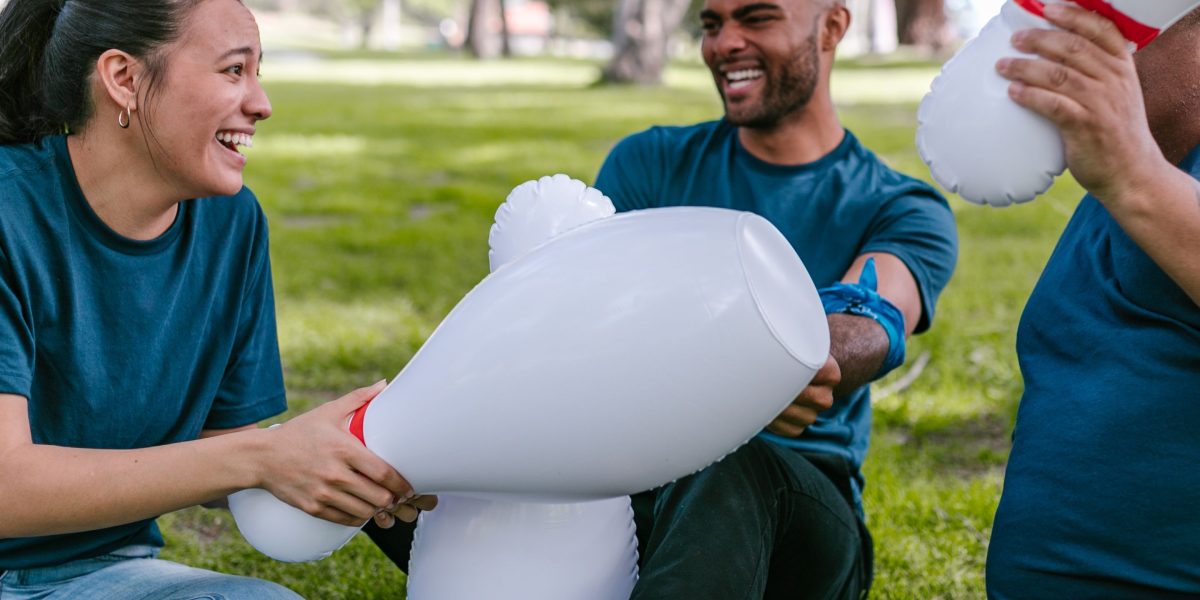
Large group games can really boost how much your team members care about their work. They also make communication better and help people bond faster. This is true whether your team is all in one place or spread out across many departments and remote locations. Employee engagement is key to a successful workplace. In fact, reports show that 89% of employees feel more productive when engaging in such activities, and 52% of HR departments see better staff retention after bringing them in, according to recent survey data and Office Bingo Search Interest (2019-2026).
The best part? You don’t need a huge budget or a special helper to run these activities. Well-chosen large group games have clear goals. They might aim to energize everyone, build trust among team members, or give people a chance to practice working together. Finding effective in person team building activities or virtual options can sometimes feel tricky. That’s why this guide is here to help.
We’ll focus on fun team building activities that are easy to use for any size company, from small businesses to big ones. These are activities that really work. We’ll give you practical advice on how to lead them so your team can get the most out of every game and improve their group work. Get ready to discover how simple games can create big changes for your team’s success.
Set goals & choose the right large group game
Before you pick any large group games, it’s really important to know what you want them to do for your team. Think about what your team needs right now. What kind of feelings or skills do you want to build?
Clarify Your Goal
First, think about what you want your team to get from the game. Do you want to help them wake up and feel excited? Break the ice so new people feel welcome? Get everyone thinking the same way about a task? Or practice solving a problem together? Having a clear goal helps you choose the best game. For example, if you want to improve how your team works together, you might look for games that make them talk more and listen better. Good facilitators can guide these talks to improve how groups work Improving Group Dynamics with Facilitator-Led Group Conversations.
Match the Game to Your Team
Not all large group games fit every team or every space. When choosing, think about:
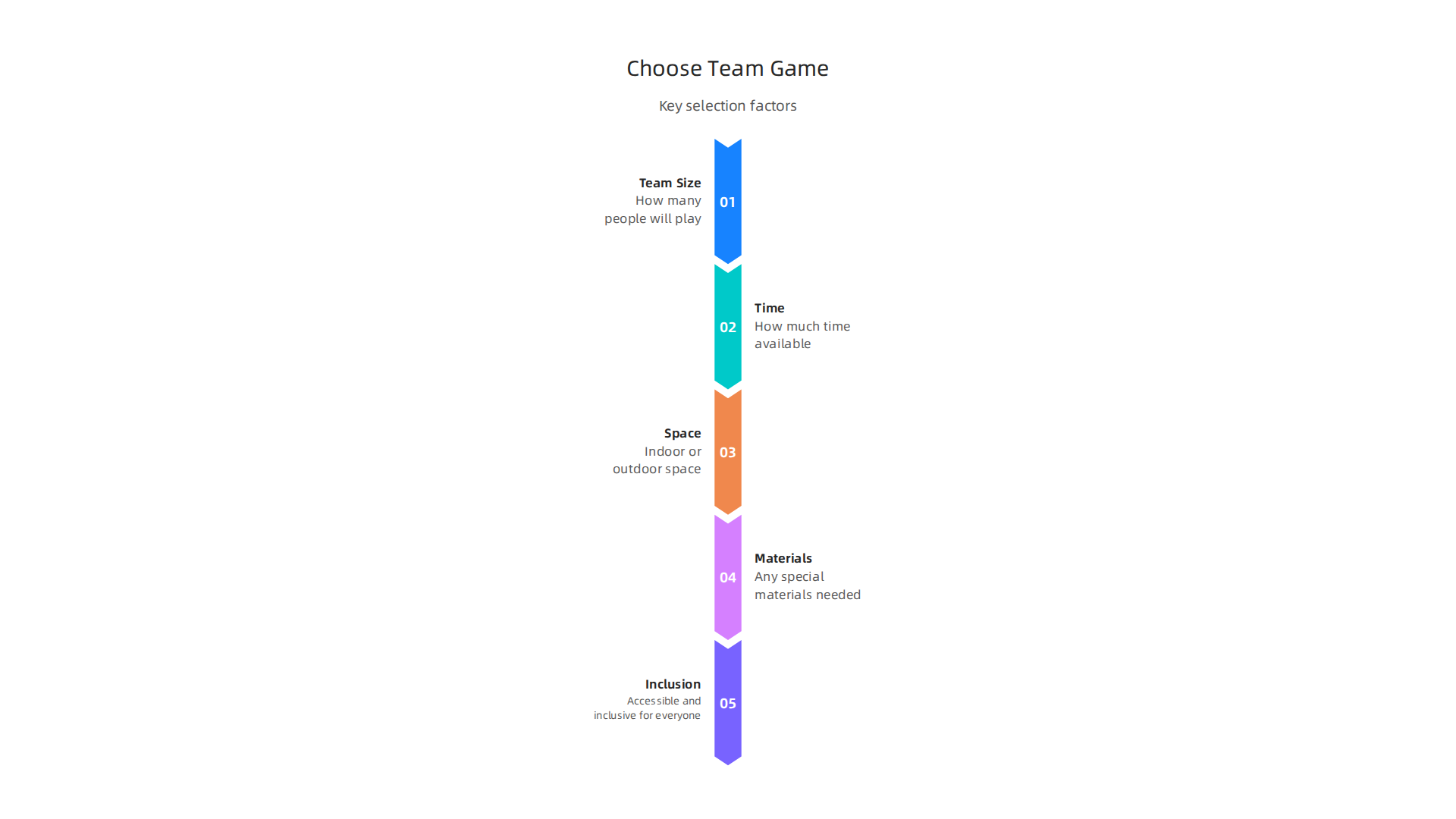
- Team Size: How many people will play? Some games are great for a small group of five, while others need 20 or more.
- Time: How much time do you have? Some games are quick five-minute icebreakers, and others need a full hour.
- Space: Are you indoors or outdoors? Do you have a big room or a small one? This matters for activities like "outdoor games for adults" or if you’re doing "in person team building activities" in a conference room.
- Materials: Do you need special things like pens, paper, or props? Or can you play with nothing extra? Many 10 low-prep games that boost team engagement without extra work need very little.
- Inclusion: Make sure the game works for everyone, no matter their physical ability or comfort level. Everyone should feel good about joining in.
Choosing a game that fits well makes it more likely to be one of those truly "fun team building activities" that your team will enjoy.
Plan for Learning and Growth
After the fun, you want the good feelings and lessons to stick. Think about how you’ll know if the game helped your team. Maybe you’ll see better communication in your next meeting, or people will help each other more with "group work". A simple talk after the game can help everyone share what they learned. This makes sure the activities aren’t just one-time fun, but really help your team grow stronger over time.
Sometimes, a simple shared laugh can really bring people closer. A funny story or a lighthearted read can spark easy conversations and make everyone feel more relaxed.
Sometimes, those shared laughs and easy talks are just what a team needs to feel closer. That’s where icebreakers and quick warm-ups come in, especially for a big crowd. These are the perfect kind of large group games to start things off. They help everyone feel more comfortable and ready to join in, removing that first bit of shyness or awkwardness. An icebreaker is like a friendly "hello" for a group.
Why Start with Icebreakers?
Imagine walking into a room full of people you don’t know well. It can feel a bit scary, right? Icebreakers help fix that. They are fast, low-risk activities that let people connect without much pressure.

This is super helpful when you have many people gathered for an event or even a regular meeting. They warm up the room, getting brains ready to focus and communicate. Experts agree that icebreakers are a good way to set a positive tone for any professional gathering 25 Best Icebreakers for Large Groups (With Instructions).
Pick the Right Icebreaker for Your Group
When choosing icebreakers for your large group, think about making them easy for everyone.

- Be Inclusive: Make sure the game works for people with different comfort levels or physical needs. You want everyone to feel welcome to join in, not left out.
- Scale It Up: For large groups, you might break everyone into smaller pairs or lines for quick chats. You can also use "crowd-sourced" prompts where many people share one word or idea at the same time. This makes even very large group games feel personal. These types of in person team building activities can be simple, like asking everyone to share their favorite color or a fun fact about themselves.
- Gather Information: Smart icebreakers can actually tell you a lot about your team without them even knowing it. For example, if you ask everyone to share one thing they hope to learn, you get a quick peek into what matters to them. This can help you understand how your team likes to work or what they value. It turns a simple warm-up into a useful tool for future group work.
Finding the right icebreaker means choosing something that fits your goal and your team’s vibe. The goal is to make it a genuinely fun team building activities that gets everyone smiling and ready for what’s next. If you’re looking for more inspiration, there are many 10 Fun Group Games That Build Trust and Drive Team Success that can achieve similar positive outcomes.
To really make team fun easier and keep those good feelings going after the initial icebreaker, consider something everyone can enjoy together. A witty sci-fi comedy can create easy conversation and relaxation, just like a good icebreaker.
Make Team Fun Easier
After everyone feels a bit more comfortable from those initial warm-ups, the next step is often to challenge them with a shared goal. That’s where collaborative problem-solving games come in. These are fantastic large group games because they get everyone working together to figure things out. They help teams learn to solve tricky problems as a group and make sure everyone can work well with others, no matter their role.
These fun team building activities are not just about playing games. They actually help people learn how to work together better in their real jobs. By solving puzzles or challenges as a team, people learn to listen to each other, share ideas, and figure out the best way forward. This makes for stronger design principles for team collaboration that actually fix communication problems and helps teams work better across different departments.
When you’re planning these large group games, especially for a big crowd, you need to think about how to make them work.
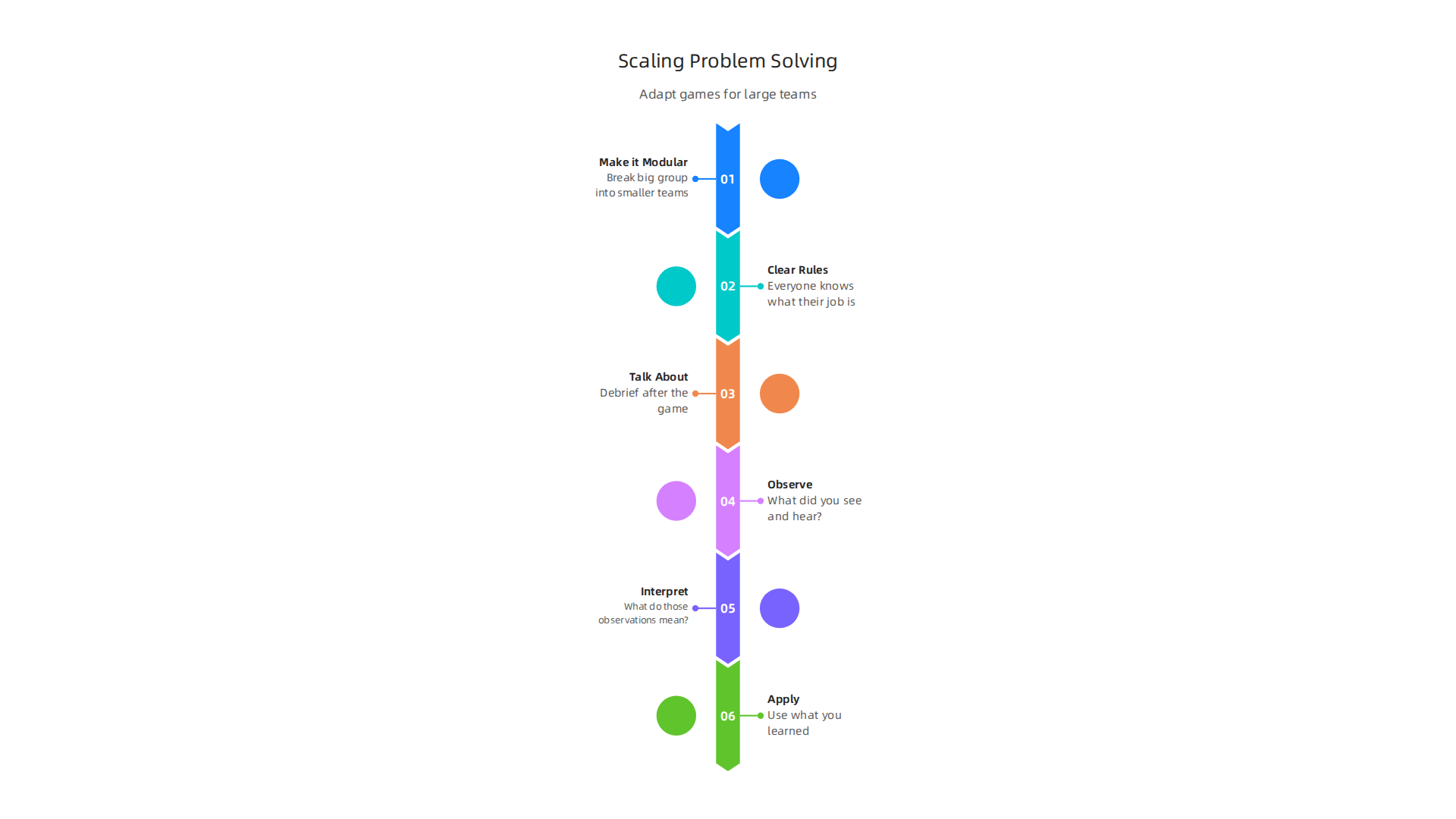
- Make it Modular: Break the big group into smaller teams. Give each small team a part of the puzzle or a mini-challenge to solve at the same time. This could be like separate "escape room" style puzzles that eventually come together. It’s a great way to handle many people, whether it’s for in person team building activities or even some outdoor games for adults. Many guides on team building activities suggest breaking large groups down to make activities more effective Icebreakers and Teambuilders – Wayne State University.
- Clear Rules and Roles: Make sure everyone knows what their job is in the small team. Give them a time limit too. This helps everyone stay focused and makes sure the activity moves along, even with a big group.
- Talk About What Happened: After the game, it’s really important to talk about it. This is called a "debrief." Ask questions like: What worked well? What was hard? What did we learn that we can use in our actual group work? This step turns the game into a powerful learning tool.
For example, games like building a tower with limited supplies or solving a complex riddle can be scaled up. Even something like a virtual escape room can be adapted for remote teams to work together on tough problems. If you’re looking for more ways to make problem-solving engaging, exploring options like 8 types of virtual escape rooms that boost remote team bonding in 2026 can give you great ideas. The key is to make sure these activities are fun, challenging, and help your team practice working together effectively.
When planning large group games, it’s also good to include activities that get people moving and thinking in new ways. These creative and energizing movement and improv activities can really wake up a group. They help everyone pay attention better and think outside the box, which is great for any kind of group work.

Movement games are wonderful for getting blood flowing and changing the energy in the room. You can do simple things like "follow the leader" or quick stretches. The best part is that you can make these activities work for everyone. For mixed-ability groups, always think about low-impact or seated options. For example, if some people can’t stand for long, they can still do arm movements or listen and direct from a chair. Planning for everyone to join in is key for accessible events, as guidelines for 2026 remind us to make sure activities are inclusive for all participants, whether indoors or as fun outdoor games for adults.
Improv activities, which are like acting without a script, are also fantastic. They help people practice listening carefully to others and thinking on their feet. This builds up skills like adapting to new ideas and being brave enough to try new things, all in a safe and supportive space. People learn to trust each other more and feel okay with making mistakes. Simple improv prompts, like building a story one word at a time or acting out different emotions, can be very powerful in person team building activities.
These kinds of large group games are not just about having fun. They help teams become more flexible and creative. They encourage everyone to participate and make sure no one feels left out. By using both movement and improv, you can keep your group engaged and ready for whatever comes next, strengthening their connection and trust. For more ideas on simple ways to build team bonds, check out these office team building activities that build trust and connection in 2026.
While in-person activities are fantastic for building team spirit, we also live in a world where remote and hybrid teams are very common. It’s important to have ways to engage everyone, no matter where they are. Luckily, many large group games can be changed to work well online, keeping that connection and trust strong even across screens.
For successful remote large group games, you can use special tools built into video call platforms. Breakout rooms are super helpful here. They let you split a big group into smaller ones for quick chats or tasks, just like you would in real life.

This makes sure everyone gets a chance to speak and share their ideas, which is key for good group work. To make breakout rooms work even better, it’s wise to give clear instructions and a purpose before sending people off to their smaller groups Virtual Breakout Room Best Practices – Facilitation First. Using polls lets everyone quickly share their thoughts or vote on ideas, and shared whiteboards allow for drawing, writing, and brainstorming together. These tools make online sessions much more interactive and fun, making remote fun team building activities simple to set up.
Thinking about people in different time zones or those who might miss a live session is also important. You can plan activities that don’t need everyone to be online at the same moment. This might mean having some work to do before the main meeting, like watching a video or answering a few questions. Or, you could have follow-up tasks that extend the learning and connection after the main call. These "asynchronous" activities help everyone feel included, even when schedules don’t perfectly align. This helps create better participation in virtual meetings Hybrid Meetings: Best Practices & Top Solutions For 2026.
When you’re leading virtual activities, always keep the technology simple. Pick tools that most people know how to use, or that are very easy to learn. Before your event, do a quick test run to make sure everything works the way it should. Also, give very clear and easy-to-follow instructions. This cuts down on confusion and helps everyone focus on the game itself, not on how to use the software. For more ideas on how to keep remote teams engaged, check out these online games for remote teams that build connection and trust. With a little planning, your remote large group games can be just as engaging and effective as in-person ones. Need a Fresh Team Activity? A humorous book can create easy conversation across the team. Explore fun resources like this humorous book for team activities.
Once you have your remote setup ready, the next step for any large group games, whether online or in person, is clear planning and great leadership. Good facilitation is like having a clear roadmap and a friendly guide. It makes sure everyone knows what to do and gets the most out of the fun team building activities.
Getting Ready for Large Group Games
Before your team starts any activity, especially large group games, make sure you have everything prepared. This includes setting out clear instructions that are easy for everyone to understand. Think about what your team needs to know to get started and keep going. Also, keep a close eye on the clock. It’s helpful to have a plan for how long each part of the game will last, and to stick to that time as much as possible. It’s also smart to have a backup plan, or a "contingency plan," in case something unexpected happens, like a technical glitch or a group finishing early. For bigger teams, having two or more people lead the activity, known as co-facilitation, can be very helpful. One person might lead the main discussion while another helps with timing or answers questions. This makes managing the group much easier and keeps things running smoothly. You can find more practical guides in resources like The Adult Learning Facilitator’s Toolkit.
Keeping Everyone on Track
When you’re leading a big group, it can be hard to make sure everyone is on the same page. Simple tools, often called "artifacts," can help a lot. These might be one-page summaries of the rules or key steps, or even just important points listed on a slide. These simple reminders help participants always know what the next step is, which reduces confusion and keeps the energy high.
Turning Games into Real Learning
The best fun team building activities don’t just stop when the game ends. They offer a chance to learn and grow. This is where debriefing comes in. Debriefing is a guided talk after the game where you help the team think about what happened. A good way to do this is using a simple framework:
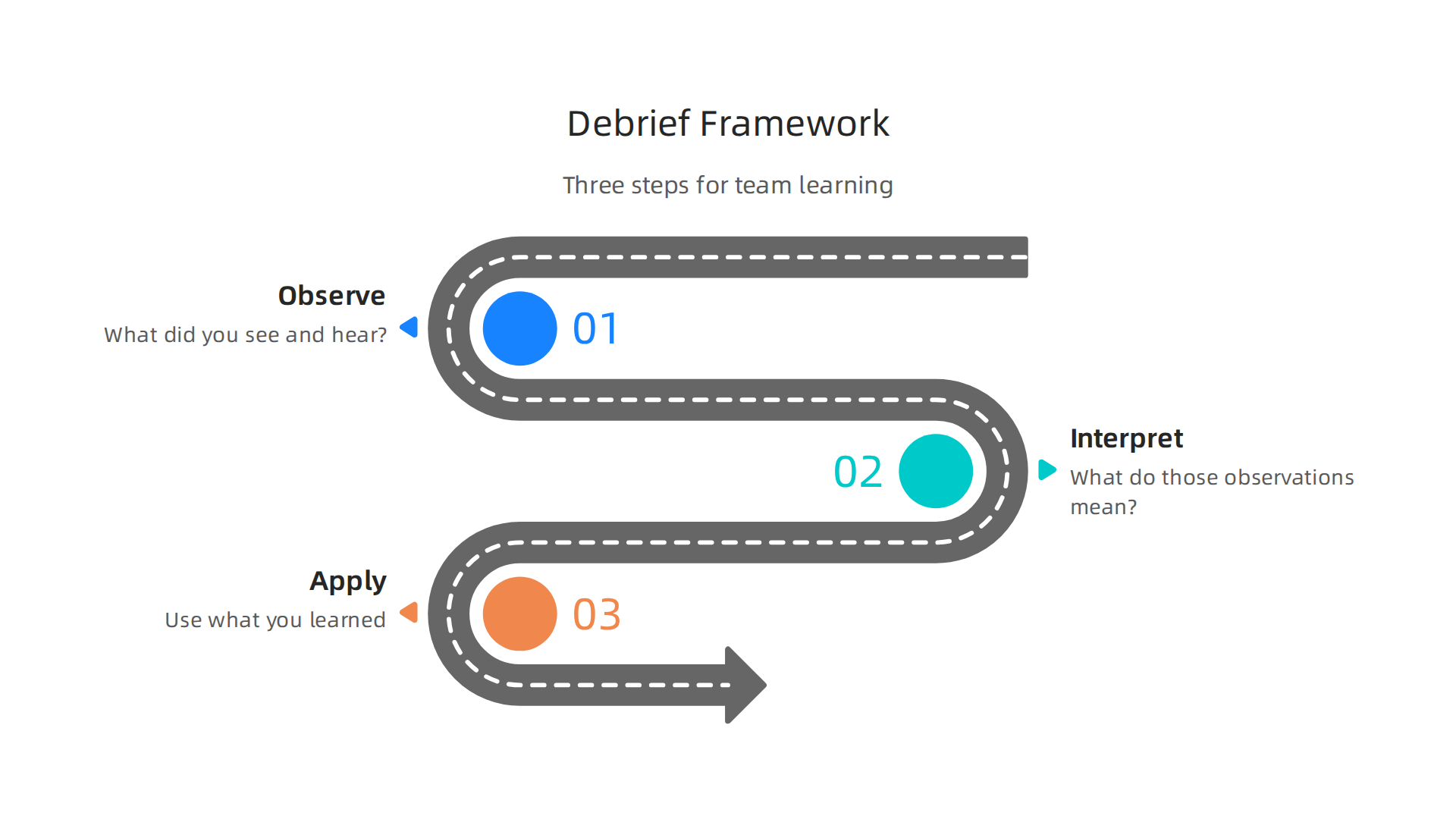
- Observe: What did you see and hear during the game? What actions did people take?
- Interpret: What do those observations mean? How did they affect the game or your team’s success?
- Apply: How can you use what you learned from this game in your actual work or group work? What changes could you make?
This process helps connect the fun of the game to real work outcomes, making the experience truly valuable for adult learners. Engaging with how people learn can really change how effective your activities are Why Dialogue Education Works for Adult Learners. A team leader’s ability to run these programs well is key to their success. To dive deeper into making your team-building efforts shine, consider learning how a team leader makes team building programs actually work.
With careful planning, clear guidance, and thoughtful debriefing, your large group games can be powerful tools for building a stronger, more connected team.
The best large group games are more than just a one-time fun event. To make sure they really help your team, you need to check if they made a difference and keep that good feeling going. This means measuring the impact and following up.
Get Quick Feedback
Right after your team finishes their large group games, it’s a good idea to ask them what they thought. You can do this with a quick "pulse survey." These surveys are short and easy, asking just a few questions about how people felt and what they learned. This kind of fast feedback helps you see what worked well and what could be better next time. It also shows your team that their opinions matter. Measuring employee engagement this way is important for understanding how connected people feel to their work and team, as highlighted in reports on Anticipating Success: Understanding and Activating Employee Engagement.
See if You Hit Your Goals
Before your fun team building activities started, you probably had some goals in mind. Maybe you wanted better communication, more trust, or just for everyone to feel more connected. After the game, look at the feedback and other information to see if you met those goals. For example, if your goal was to improve teamwork, did people say they felt more like a team? Share what you find with everyone. When you are open about the results, it builds trust and shows that the activity had a real purpose. Many organizations use these surveys to guide their plans, as shown in examples like Employee Engagement Survey – Example Goals and Actions.
Keep the Good Changes Going
A single team building event is a great start, but true change happens over time. To turn a good day of large group games into lasting improvements, plan small, easy "micro-actions." These are tiny steps that people can take in their daily group work. For example, if a game taught everyone to listen better, a micro-action could be for each person to practice active listening in their next two meetings. Make sure someone is in charge of each action. This helps make sure the lessons from the activities stick around and become part of how your team works every day. Think of it as a way to build a dream team with practical team building questions and activities that keep working long after the games are over.
Summary
This article explains how large group games can strengthen adult teams by boosting engagement, improving communication, and building trust both in person and remotely. It walks you through clarifying goals, matching games to team size and space, and choosing inclusive icebreakers that warm up large crowds. You’ll learn how to scale collaborative problem-solving with modular tasks and clear roles, and how movement and improv exercises increase energy and creativity. The guide covers remote-friendly techniques—breakout rooms, polls, asynchronous options—and practical facilitation tips like timing, artifacts, and co-facilitation. It also shows how to debrief to turn play into learning, collect quick feedback, measure whether you hit goals, and keep improvements going with micro-actions. By following these steps, readers can run accessible, scalable activities that produce lasting team benefits without big budgets.