Why group facilitation training matters today
Have you ever sat in a meeting where nothing got done? Or felt like your team wasn’t really working together? You’re not alone. In 2026, many workplaces still struggle with teams that feel disconnected. This can lead to low engagement, where people don’t feel like they’re part of something important. It also causes poor communication, making it hard to share ideas and get tasks done right. When these things happen, meetings become ineffective and nobody looks forward to them.
This is where good "group facilitation training" comes in. It’s like learning how to be a great guide for your team.

This training teaches leaders how to make sure everyone feels heard and that goals are met. It can make a big difference in how well a group works together. Research shows that good facilitation can help make important changes happen in different settings, from healthcare to workplaces Systematic Review and Meta-Analysis of Practice Facilitation Within Primary Care Settings.
Learning how to facilitate better means you can turn those "blah" meetings into productive times. It helps build a stronger team where everyone knows their part. Think of it as a special kind of "team building class" or "leadership development training." This guide will give you practical, easy-to-understand advice. We’ll share ready-to-use activities and simple "team building questions" that managers and HR teams can use right away to help their groups work better and feel more connected. You’ll learn how to help your team build a dream team with practical activities and questions.
The business case: Benefits and ROI of facilitation training
When teams work better together, everyone wins. Investing in good "group facilitation training" isn’t just a nice idea; it makes real business sense. It helps companies get more done, keep their best people, and save money in the long run. Let’s look at how.
Clear Benefits for Your Team and Company
Think about how much smoother things would be with a great facilitator. Here are some of the good things that happen:
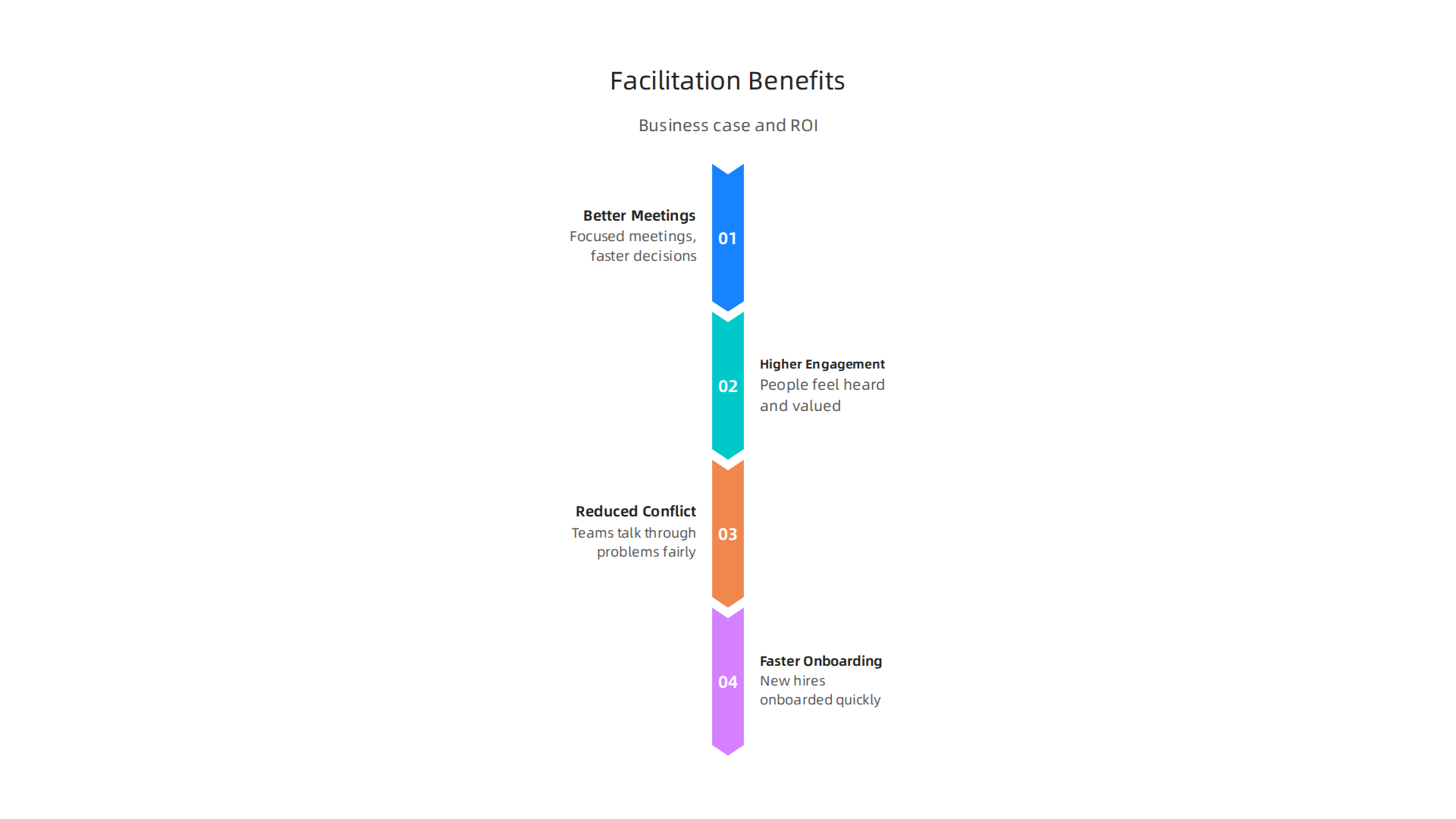
- Better Meetings: No more wasted time! Meetings become focused and effective. Everyone knows what they need to do, and decisions get made faster. This means less frustration and more progress.
- Higher Engagement: When people feel heard and valued, they care more about their work. Good facilitation makes sure everyone has a chance to speak and add their ideas. This makes people feel more connected and happy at work. In fact, many companies measure employee satisfaction through surveys to track engagement KPIS FOR TRACKING ADMINISTRATIVE DIVISION EFFECTIVENESS.
- Reduced Conflict: Disagreements are normal, but a good facilitator can help teams talk through problems fairly. They make sure everyone respects each other’s views, turning arguments into chances to find better solutions. This leads to a more peaceful and productive workplace.
- Faster Onboarding: Bringing new people into a team can be tricky. "Group facilitation training" helps leaders quickly get new hires up to speed and feeling like part of the group. New team members learn the ropes faster and start helping out sooner.
Who Sees the Return on Investment (ROI)?
ROI means getting more value back than you put in. For "group facilitation training", many different people and groups see this positive return.
- Managers: They gain stronger teams that meet goals more easily. This reduces stress for the manager and makes their department shine. It’s a key part of good "leadership development training".
- HR Professionals: HR teams see happier employees, which means less employee turnover. They also find it easier to keep staff engaged and growing. This saves the company money that would be spent on hiring and training new people constantly.
- All Teams: Every team member benefits from clearer communication, fewer misunderstandings, and a shared feeling of purpose. They become better at problem-solving together and enjoy their work more. This creates a stronger work family.
Short-Term vs. Long-Term Outcomes
The good effects of "group facilitation training" happen quickly and last a long time.
- Short-Term Outcomes: You’ll notice better meetings right away. Teams will start communicating more openly, and small conflicts will be easier to fix. People will feel more positive about their workday. You might even use some "team building questions" right after training to see instant changes.
- Long-Term Outcomes: Over time, your company will build a culture where teamwork is natural. Employee engagement will stay high, and innovation will grow because people feel safe to share new ideas. This training helps you to build a dream team with practical team building questions and activities that supports the company’s success for years to come. It’s an investment that pays off again and again, making your workplace a true "training center" for collaboration.
Learning how to guide groups smoothly is a super important skill for any manager. When you have strong "group facilitation training", you can turn confused meetings into clear paths forward. It’s like being a good conductor for an orchestra, making sure everyone plays their part well. Here are some key skills every manager should pick up.
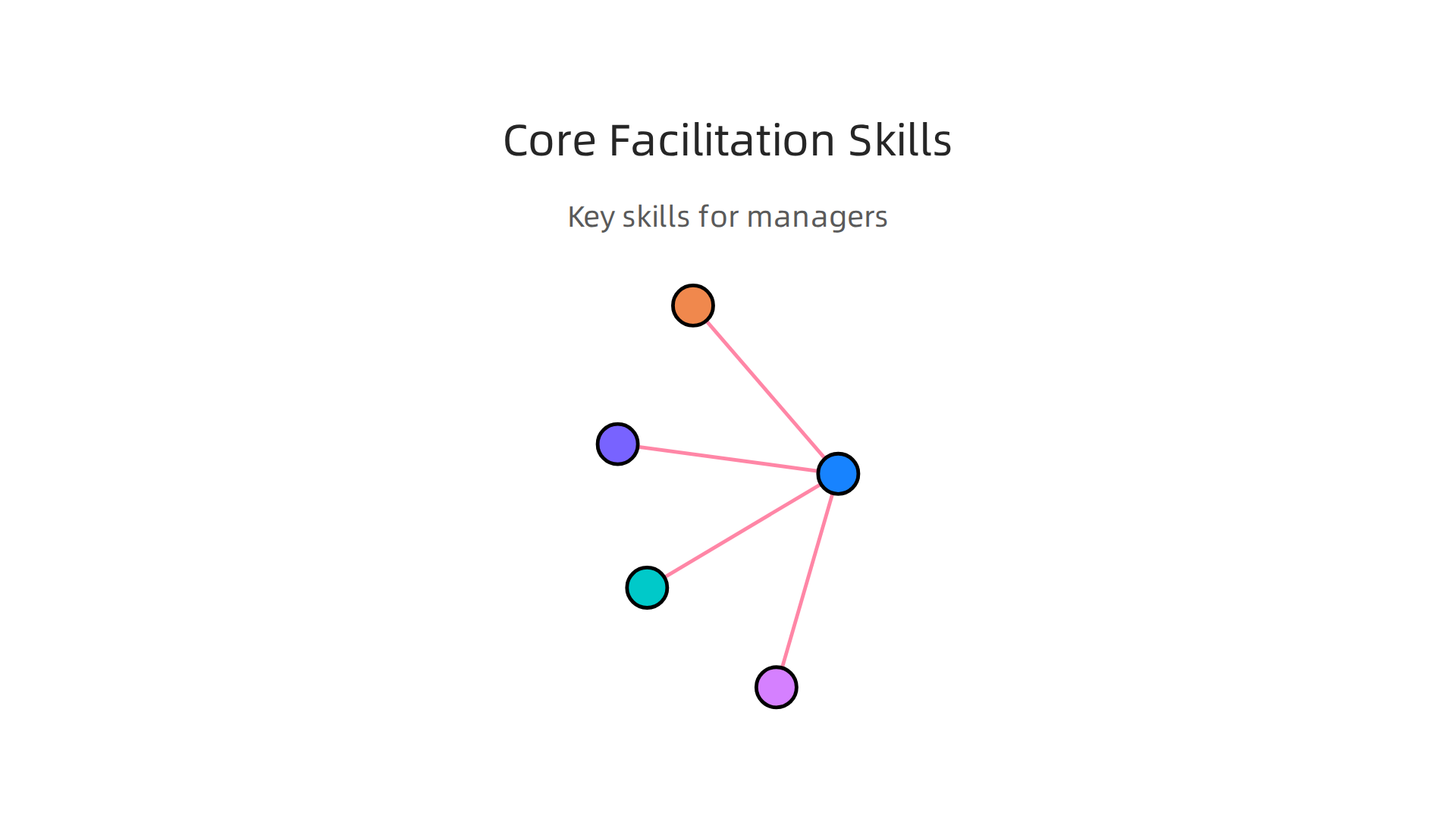
1. Agenda Design
This is about planning your meeting before it even starts. A good facilitator creates a clear list of topics to cover, along with how much time each topic will get.
- How it helps: A well-designed agenda keeps everyone focused. No more wandering off-topic! It makes sure important things get talked about and decisions are made on time. This is a core part of effective "leadership development training".
2. Question Framing
Asking the right questions can unlock great ideas. This skill is about knowing how to ask open-ended questions that get everyone thinking and sharing. Instead of "Do you agree?", you might ask "What are your thoughts on this idea?"
- How it helps: It brings out different viewpoints and encourages everyone to participate. This boosts team engagement and helps solve problems better because you get more ideas on the table. Good "team building questions" are a big part of this.
3. Managing Group Dynamics
Meetings often have different kinds of people: some love to talk, others are quiet, and sometimes people disagree. A good facilitator knows how to handle these situations. They make sure quiet voices are heard and that everyone respects each other, even when they don’t agree.
- How it helps: This skill helps reduce conflict and makes sure everyone feels safe to share. It creates a fair and inclusive space where all team members can contribute their best.
4. Timeboxing
Timeboxing means setting a specific time limit for each discussion point or activity. For example, "Let’s spend 10 minutes on this topic."
- How it helps: It keeps meetings from running too long and makes sure all agenda items are covered. It teaches teams to be clear and quick with their points, leading to more efficient meetings and faster progress.
5. Decision Facilitation
This skill involves guiding a group towards making a clear, agreed-upon decision. It’s not about making the decision for them, but helping the group explore options, discuss pros and cons, and finally choose the best path.
- How it helps: It ensures that decisions are well-thought-out and that everyone understands why a certain choice was made. This leads to better team buy-in and makes sure projects move forward with purpose.
Learning these skills can truly change how your team works together. Many places offer excellent programs to help managers become better facilitators. For instance, you can find a list of top programs that offer "facilitation training" to sharpen these abilities and enhance collaboration The 5 Best Facilitation Training Courses in 2026.
By mastering these practical approaches, managers can help their teams build better ways to work together and tackle problems more effectively, leading to stronger connections and fewer communication issues design principles for team collaboration that actually fix communication problems.
Learning the core skills of great facilitation is just the first step. To truly make your meetings and team interactions shine, you’ll need a toolkit of ready-to-use activities and smart templates. These practical resources can transform your "group facilitation training" into real-world action, saving you time and boosting team involvement.
Think of these tools as your trusty sidekicks for any "team building class" or daily meeting. They help you lead with confidence, whether you’re breaking the ice or tackling tough challenges.
Ready-to-use Activities for Your Team
Having a variety of activities at your fingertips means you’re always prepared. Here are some key types:
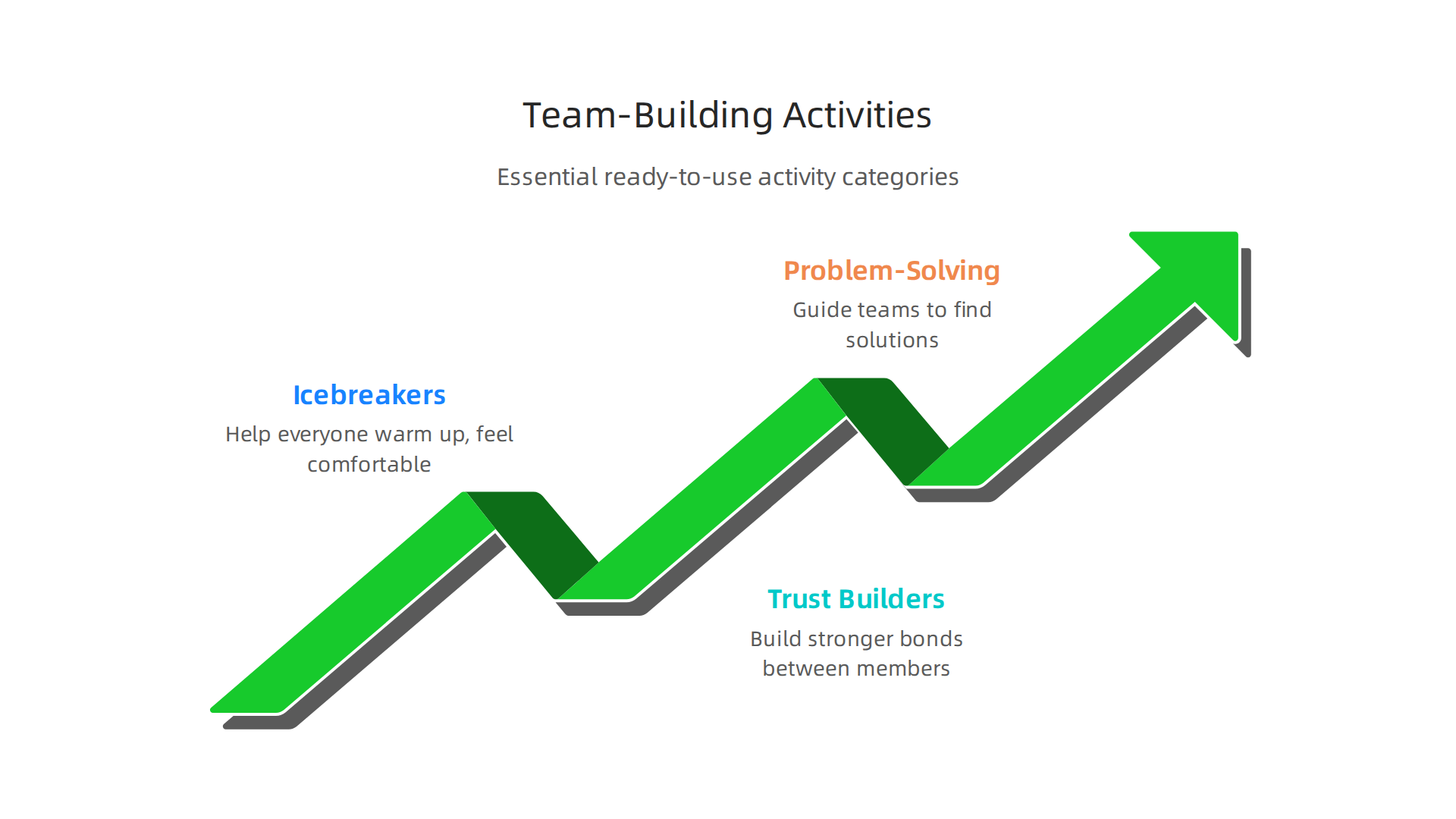
- Icebreakers: These short activities help everyone warm up and feel comfortable sharing. They’re great for starting meetings or training sessions. Simple questions like "What’s your favorite snack?" or quick games can get conversations flowing. In fact, using a good opener is a best practice for leading virtual teams effectively Best Practices for Virtual Facilitation – Intellum.
- Trust Builders: These activities help team members get to know each other better and build stronger bonds. They can range from sharing personal stories (without getting too deep) to working together on a fun puzzle. If you need more ideas, you can find many great 10 fun group games that build trust and drive team success.
- Problem-Solving Exercises: When your team faces a challenge, these structured activities guide them to find solutions together. They help people think creatively and work through issues step-by-step. For example, a team might use a drawing exercise to map out a problem and brainstorm solutions. These exercises are key for "leadership development training" and helping teams think critically.
Many of these activities can be adapted for both in-person and remote teams, making them super flexible for 2026’s diverse workplaces. For more quick and easy options, consider these 10 low prep games that boost team engagement without extra work.
Essential Facilitation Templates
Beyond activities, having good templates can cut down your planning time dramatically. They give you a clear starting point for different parts of your facilitation work.
- Meeting Agenda Templates: A solid agenda template makes sure you cover all important topics and stick to your schedule. It lists discussion points, who is responsible for each, and how much time each item gets. Many resources offer these, like a helpful Facilitation Guide Template that can guide your planning.
- Debrief Questions: After an activity or a big discussion, asking the right "team building questions" is important. Debrief questions help the team think about what they learned, what went well, and what could be better. Templates with sample questions make sure you don’t miss any important reflections. You can also find help in a detailed Facilitator’s Guide for Instructional Design which offers ready-to-use templates and checklists.
- Role Scripts: Sometimes, assigning specific roles for an activity or meeting can help it run smoothly. A template for role scripts gives clear instructions for each person, like "timekeeper," "note-taker," or "devil’s advocate." This can be a part of a wider Team Charter Facilitation guide that outlines team roles and rules.
Using these templates and ready-to-go activities means you can focus more on leading your team and less on preparing every single detail from scratch. If you’re looking for new ways to get your team talking and laughing, remember that a humorous book can create easy conversation across the team.
Need a Fresh Team Activity?
Today, many teams work from different places, making remote and hybrid meetings common.
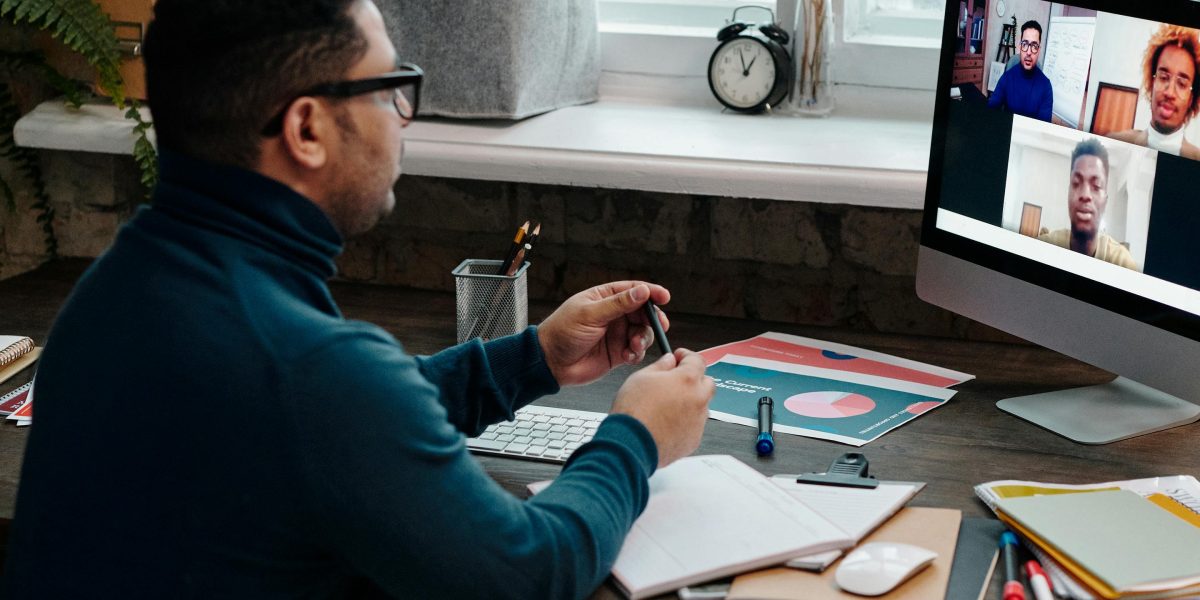
This means how we lead and run meetings, or "group facilitation training," has changed a lot. It comes with its own set of challenges and special ways to make things work well.
Challenges and Opportunities for Virtual Teams
When people are not in the same room, it can be harder to keep everyone focused and engaged. Things like "camera fatigue," where people get tired of being on video calls all day, are real. It’s also tricky to make sure everyone feels included and gets a chance to speak up, especially in bigger groups. Many facilitators are learning new skills for this. The "State of Facilitation 2026 – Report and Expert Insights" shows how important these new skills are for today’s workplaces.
But remote and hybrid settings also bring cool new chances. We have many tools now that let teams work together even when they are far apart. These tools can make a "team building class" more exciting and help everyone feel more connected. For example, using online games and activities can help remote teams build connection and trust.
Smart Adjustments for Remote and Hybrid Facilitation
To make virtual meetings and training sessions successful, here are some simple adjustments:
- Keep it Short and Sweet: People’s attention spans are shorter online. Break up long sessions into smaller parts. Change activities often to keep energy high.
- Use Active Polls and Questions: Ask quick questions or run polls to get everyone involved. This helps you know what people are thinking and keeps them from zoning out. Thinking about "team building questions" that can be answered quickly helps.
- Clear Instructions for Breakout Rooms: When you send people into smaller virtual rooms, make sure your directions are super clear. Tell them exactly what to do and how much time they have. This helps prevent confusion. Learning "How to Run Effective Virtual Meetings in 2026" often involves mastering breakout sessions.
- Embrace Digital Whiteboards: Tools like online whiteboards let everyone share ideas, draw, and write together in real time. This is a great way to brainstorm and solve problems as a team. You can find many "Top Online Workshop Facilitation Tools for 2026" that help with this.
By using these tips, you can lead your remote and hybrid teams with confidence, making sure everyone feels heard and stays engaged. It’s all about making your "group facilitation training" work for the modern world. Strong "leadership development training" for virtual settings is key for facilitators in 2026.
Even with all these smart ways to run virtual meetings, teams often need ways to grow and connect without spending a lot of money or time. Luckily, you can do a lot with little. The goal is to make "group facilitation training" easy to fit into busy workdays.
Low-budget, high-impact approaches for busy teams
Making your team stronger doesn’t always need big budgets or fancy trips. You can use simple, quick ideas that still make a big difference. This is especially helpful for teams who don’t have a lot of extra time or money to spend at a dedicated "training center."
Here are some ways to do that:
- Quick Check-ins with a Twist: Instead of just asking "How are you?" at the start of a meeting, try a fun "team building question." For example, ask "What’s one good thing that happened to you today?" or "If you could have any superpower for 24 hours, what would it be?" These quick questions can spark smiles and help people feel more connected. They are easy to add to any daily standup or weekly meeting. Many helpful guides offer ideas for simple activities. For example, a good Facilitation Guide Template can give you ideas for low-prep activities.
- "Micro-Training" Moments: Instead of a long "leadership development training" session, break it into tiny pieces. Spend just 5 to 10 minutes at the start or end of a meeting on a quick skill. You could teach a quick tip on better listening or how to give helpful feedback. This way, learning becomes a regular part of work, not a separate event.
- Share a Story or Challenge: Ask team members to share a short story about a work success or a challenge they overcame. This helps everyone learn from each other and builds understanding. It takes almost no planning.
- Team Building with Games: You don’t need expensive games. Simple online games or quick physical activities can boost team spirit. These can be short, fun breaks that help people laugh and connect. For some great ideas that are easy to use, check out these 10 Low Prep Games That Boost Team Engagement Without Extra Work.
- Shared Fun: Sometimes, the best team building is just enjoying something together, even if it’s not directly work-related.
These small, easy steps can make a big impact on how your team works together and feels about each other. They help keep the "group facilitation training" fresh and exciting without putting a strain on resources.
Make Team Fun Easier. If your team loves to unwind, consider something a little different to boost team spirit. You can always Make Team Fun Easier by giving the group a witty sci-fi comedy to share and discuss.
Train-the-trainer: Building Internal Facilitation Capability
Beyond quick activities, another smart way to make your team strong is to teach people within your company how to lead group activities. This is called "train-the-trainer." Instead of always bringing in outside experts, you can grow your own team of skilled leaders. This helps keep costs down and makes sure your team building efforts are ongoing, not just one-time events.
Imagine a clear path where team members can become great facilitators. It often looks like this:
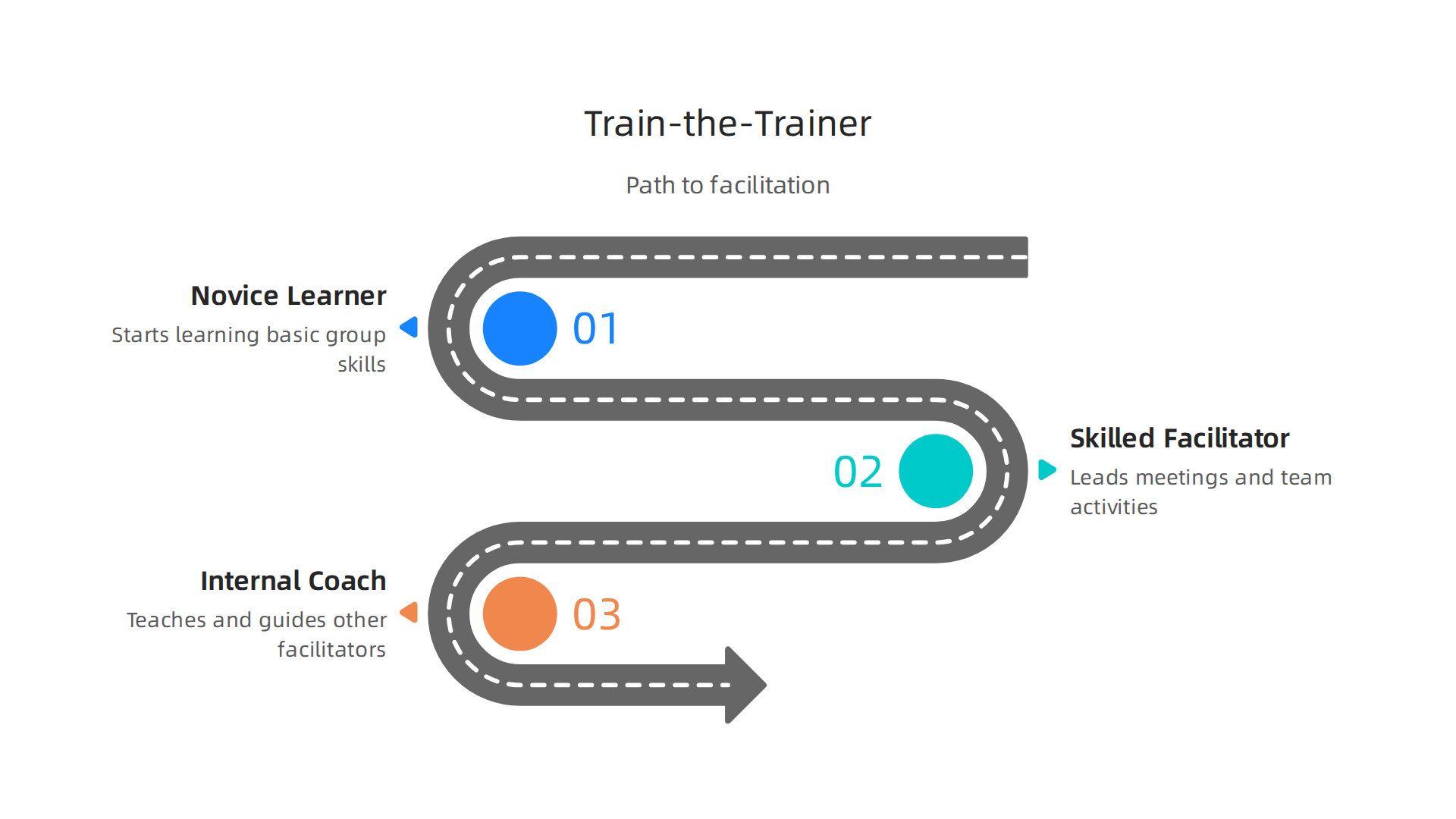
- Novice Learner: This is where someone starts learning the basic skills needed for leading groups. They might watch others, help with small parts of a meeting, or learn about good "team building questions."
- Skilled Facilitator: After some practice and learning, this person can confidently lead meetings and team activities. They know how to keep everyone involved and make sure tasks get done. Many organizations offer specific "group facilitation training" to help people reach this level. For example, some programs teach you how to be a learner-centric facilitator with helpful skills for any trainer. You can find more about this in a Train the Trainer program.
- Internal Coach: This person is an expert facilitator who can also teach and guide others. They mentor newer facilitators, give helpful feedback, and help everyone get better at leading groups. This is a key part of any "leadership development training" plan.
Organizations can also set up ways to officially recognize their internal facilitators. This might be through a special certificate or by marking them as "certified." This shows that they have completed certain "group facilitation training" or a "team building class" and are ready to lead. For a deeper understanding of what this involves, you can check out a Complete Guide to Facilitation Training (2026).
To make sure these skills keep growing, companies should set up regular feedback and practice sessions. This way, internal facilitators can keep learning new ways to make meetings and team events better. They might share ideas with each other or get advice from a more experienced coach. Creating a system like this means you don’t need a fancy "training center" to grow your team’s skills. Instead, learning happens right within your daily work.
Having strong internal facilitators can truly transform how your team works together. They can guide discussions, solve problems, and make sure everyone feels heard. This is how a team leader makes team building programs actually work, by growing the skills within the team itself.
Need a Fresh Team Activity?
A humorous book can create easy conversation across the team. Explore a great option at doridiculous.com.
Measuring impact: KPIs, surveys, and continuous improvement
After you’ve trained your team leaders with excellent group facilitation training and they’re running team building class activities, how do you know if it’s actually working?
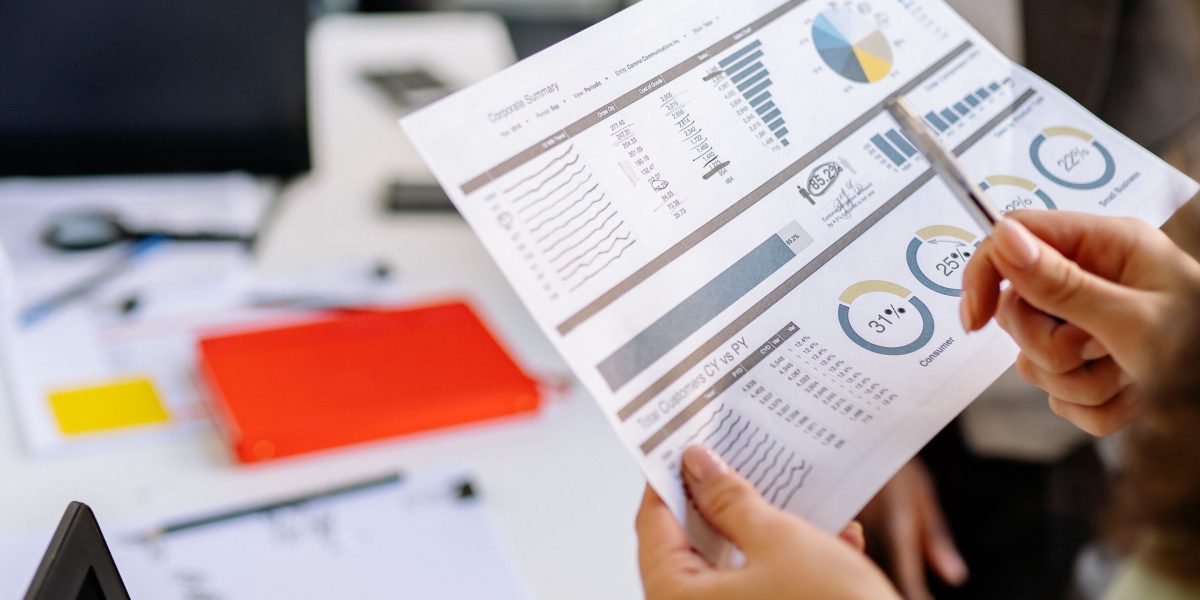
It’s super important to measure your progress. This helps you see what’s going well and what might need a little tweak. Think of it like a journey: you need a map to know if you’re going the right way.
One way to measure is by looking at Key Performance Indicators, or KPIs. These are like report cards for how your team is doing.
Here are some simple ways to measure:
- Meeting Happiness: Ask people how they feel about meetings right after they happen. Was it helpful? Did everyone get a chance to speak? Simple surveys can give you quick feedback.
- Team Happiness Surveys: Bigger surveys done regularly, like once a year, can show how happy and involved your employees are. These "engagement surveys" help you see if your
leadership development trainingis making a difference. Many companies use these surveys to track employee engagement and satisfaction over time, as noted in the Employee Communications Report 2026. This helps show the value of your team-building efforts. - Faster Decisions: Do your teams make decisions more quickly and smoothly now? If so, that’s a great sign that communication and teamwork have improved.
- Employee Stay Rates: When people are happier at work, they tend to stay longer. If fewer people are leaving your company, your team building is likely a success. Improving employee engagement can help keep your best workers, according to the Work Wellbeing Playbook 2.0.
Having a clear look at your KPIs helps show if your efforts are paying off. It also helps justify the money and time spent on training programs, as seen in a Systematic Review of Field Operation Training Programs.
Always Getting Better: The Feedback Loop
Good teams don’t just do one team building class and stop. They keep learning and making things better. This is called continuous improvement.
- Ask for Feedback: After any team activity or meeting led by an internal facilitator, ask for thoughts. What did people like? What could be improved? You can ask specific
team building questionsfor feedback. - Try New Things: Don’t be afraid to change things up. If one activity didn’t work as planned, try a different one next time. You can even try two different activities with two similar teams to see which works best. This is sometimes called A/B testing.
- Learn and Adjust: Take what you learn from feedback and use it to make future activities even better. Your internal facilitators, who have had
group facilitation training, can share what they’ve learned and refine their skills. This process helps your team grow stronger and makes sure your activities are always fresh and engaging.
This cycle of trying, measuring, and improving helps your company get the most out of every training dollar. It shows that your commitment to better group facilitation training is truly making an impact on your team’s success. If you’re looking for more ways a team leader can make team building effective, you can explore tips on how a team leader makes team building programs actually work.
Summary
This article explains why group facilitation training matters and shows how it turns ineffective meetings into productive team sessions. It covers the business case and ROI, five core facilitation skills managers should learn, and practical tools like agendas, timeboxes and decision facilitation to use right away. You’ll find ready-to-use activities and templates for icebreakers, trust builders and problem-solving exercises that work in person or online. The guide also explains how to adapt facilitation for remote and hybrid teams using polls, breakout instructions and digital whiteboards. It offers low-budget, high-impact ideas for busy teams and a train‑the‑trainer approach to build internal capability. Finally, it shows how to measure impact with simple KPIs, surveys and a feedback loop so you can keep improving facilitation over time.